
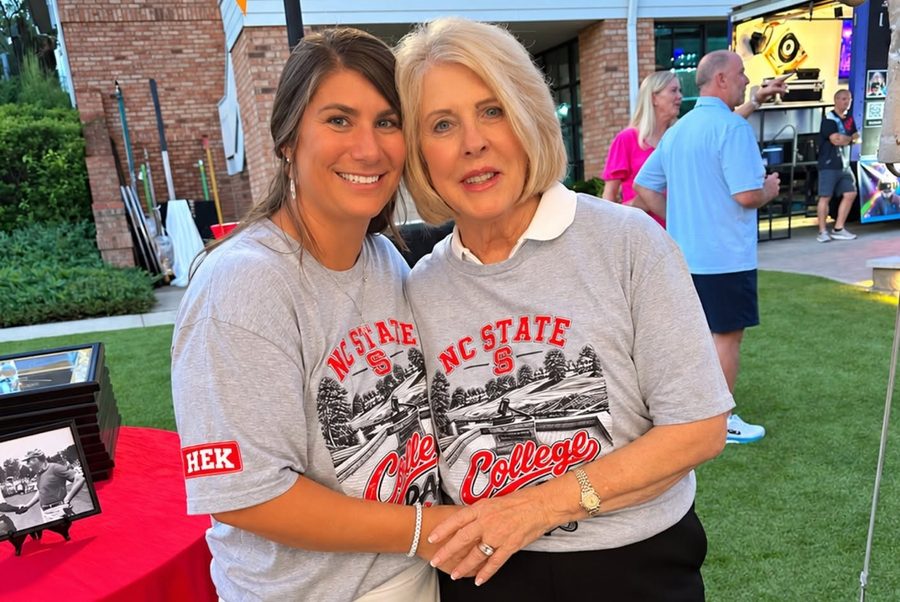
Frances S. Knox featured in LKN Magazine
LKN Magazine profiles Frances S. Knox, from a Cabarrus County farm to law school at 41 to the first Women in Business Award from the Lincolnton-Lincoln County Chamber of Commerce.
From the firm

In North Carolina, domestic violence is taken very seriously by the legal system–as it should be. If someone has accused you of domestic violence, you must take the matter equally seriously, especially if it's a false accusation. A domestic violence charge can do serious harm to your reputation at best and result in a prison sentence at worst. Here’s what you need to know about domestic violence laws in North Carolina and the steps you should take after your arrest.
Domestic Violence can be both a criminal or civil crime in North Carolina. While most people think of domestic violence exclusively as a form of physical abuse, it can also constitute emotional, sexual, or financial abuse.
Under Code NCGS Sec. 50-B18, domestic violence occurs when a person commits certain acts against another person with whom he or she has a personal relationship. The relationship may consist of two people who are married, live together, are in a dating relationship, share a child, or is an immediate family member. Such acts may include:
Acts of domestic violence can be either a misdemeanor or a felony. Misdemeanors include deeds such as assault against a woman, making harassing phone calls, threatening a person with a gun, communicating threats, harassing an individual, or injuring a pregnant woman. Felonies include non-fatal strangulation, rape or other sexual abuses, constitute felonies.
If arrested for domestic violence, your first step should be to contact an attorney experienced with domestic violence accusations to ensure that you get the best defense possible. Few rules exist to help protect a person accused of domestic violence, and it often comes down to your word against the accuser's word.
Your attorney can help gather the evidence you need to put up a strong defense. For example, your attorney can conduct witness interviews, collect photographs and medical records, or discover ulterior motives for the accusation of domestic violence. Such proof will help show that the charge is false, or that you acted in self-defense, or that your actions did not constitute domestic violence.
You should give your attorney as much information as possible to help prepare the defense. Tell your side of the story and consider which eyewitnesses might support your position. You should also think of reasons why the accuser might make a false accusation against you. For example, you may be in the middle of a custody battle with this person, or the person may want revenge against you for a particular reason. It's important to share all these details with your lawyer, even if it's embarrassing. The information you leave out might be the key to positively resolving the situation.
If you're accused of domestic violence in North Carolina, call the experienced lawyers at Knox Law Center today.
https://www.ncleg.net/EnactedLegislation/Statutes/HTML/ByChapter/Chapter_50B.html
LKN Magazine profiles Frances S. Knox, from a Cabarrus County farm to law school at 41 to the first Women in Business Award from the Lincolnton-Lincoln County Chamber of Commerce.
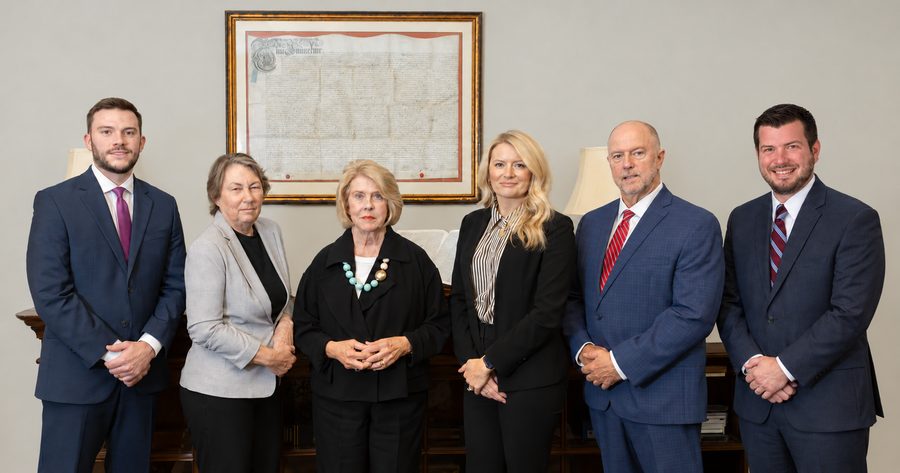
Knox Law Center is a 2026 Normy winner, marking five years running as best law firm and continued recognition from the community we proudly serve.

Knox Law Center is proud to celebrate Frances S. Knox, recipient of the 2026 Women in Business Award from the Lincolnton-Lincoln County Chamber of Commerce.
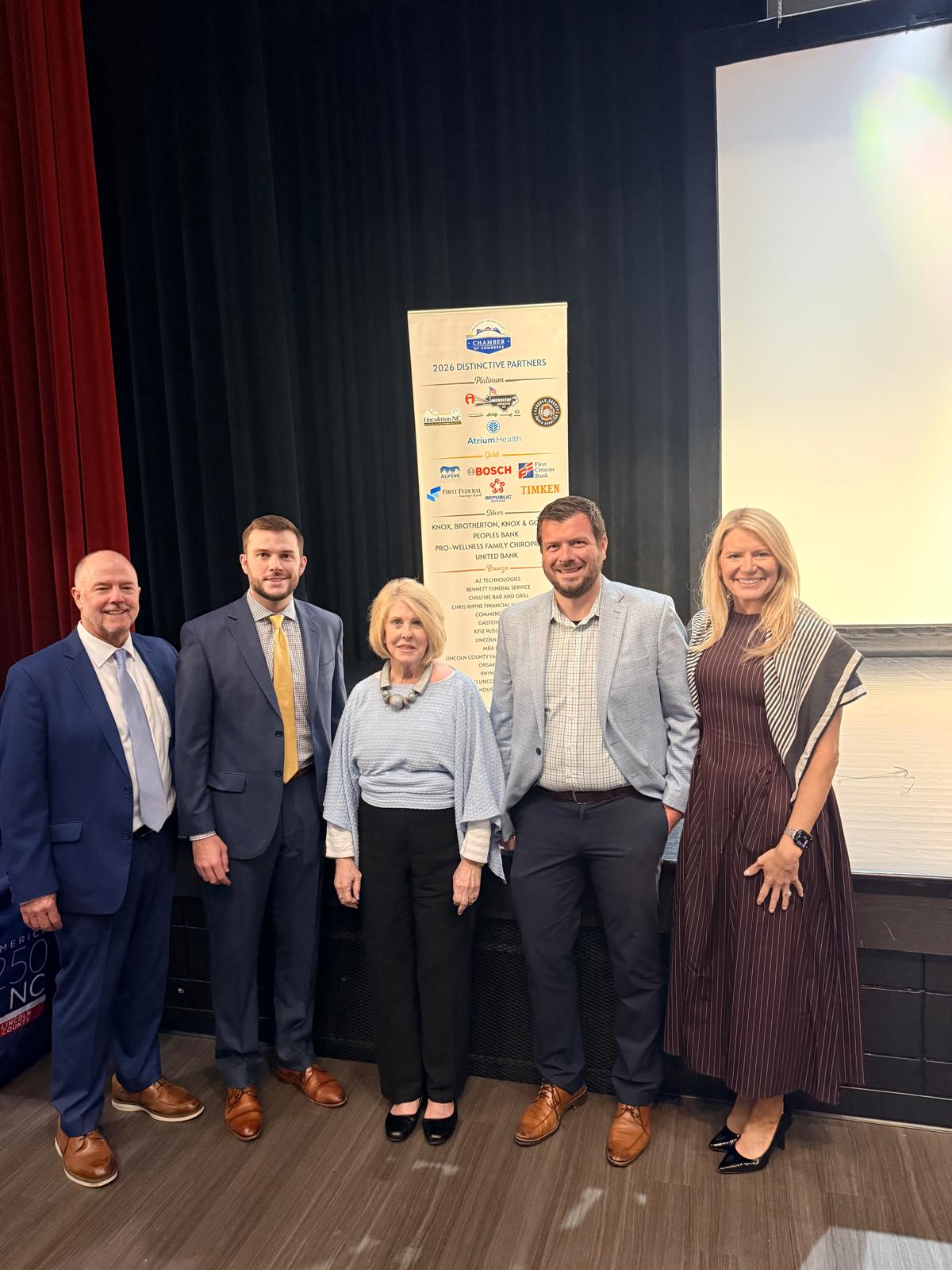
Knox Law Center was proud to join local first responders and community members at the First Responders Luncheon on Wednesday, August 19, at the James H. Warren Citizens Center in Lincolnton.
Charlotte · Denver · Lake Norman
Mon–Thu 8:30am–5pm · Fri 8:30am–4pm
